

The U.S. economy is currently experiencing a complex interplay of factors influencing inflation, growth, and employment. Understanding these dynamics is crucial for both policymakers and the public.
Inflation and Gas Prices
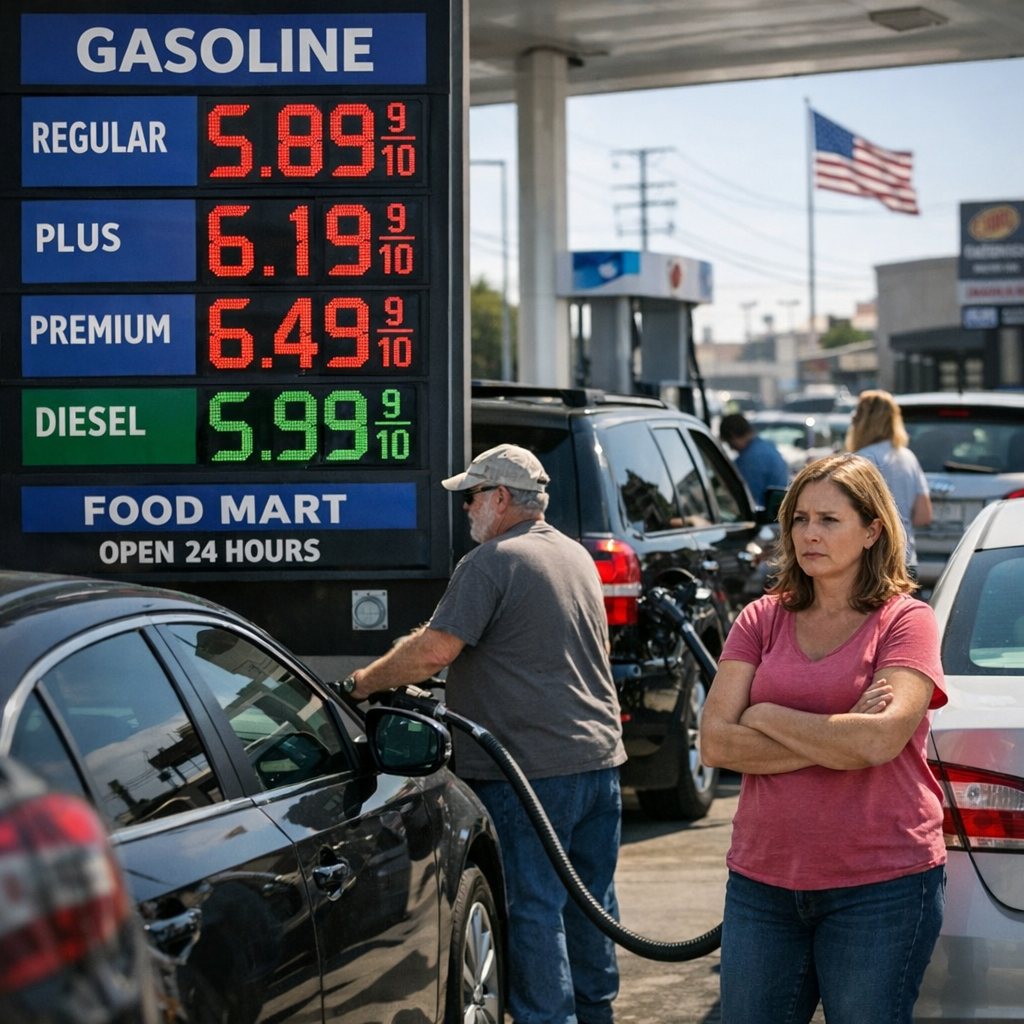
Inflation has seen a notable uptick, with a key gauge rising 0.7% in March and prices overall increasing 3.5% year-over-year—the highest in almost three years. This surge is largely driven by escalating gas prices, which have averaged $4.39 per gallon and continue to rise. Core inflation, excluding food and energy, rose 3.2% annually.
Gross Domestic Product (GDP) Growth
Despite inflationary pressures, the U.S. economy grew by 2% in the first quarter of 2026, recovering from a sluggish end to 2025 caused by a prolonged government shutdown. This growth indicates a resilient economic foundation amid ongoing challenges.
Labor Market Resilience
The labor market has demonstrated strength, with unemployment claims falling to 189,000—the lowest level in over 50 years. This suggests a robust job market, providing a counterbalance to inflation concerns.
Consumer Confidence
Consumer confidence edged slightly higher to 92.8 in April, although it remains at levels last seen during the COVID-19 pandemic. This cautious optimism reflects the public’s response to current economic conditions.
Stock Market Performance
Stock markets have set new records, with major technology companies reporting strong earnings. This performance underscores investor confidence, even amid volatility in oil prices driven by geopolitical tensions.
In summary, while the U.S. economy faces challenges such as rising inflation and gas prices, indicators like GDP growth, labor market resilience, and stock market performance suggest underlying strength. Staying informed about these trends is essential for navigating the evolving economic landscape.