

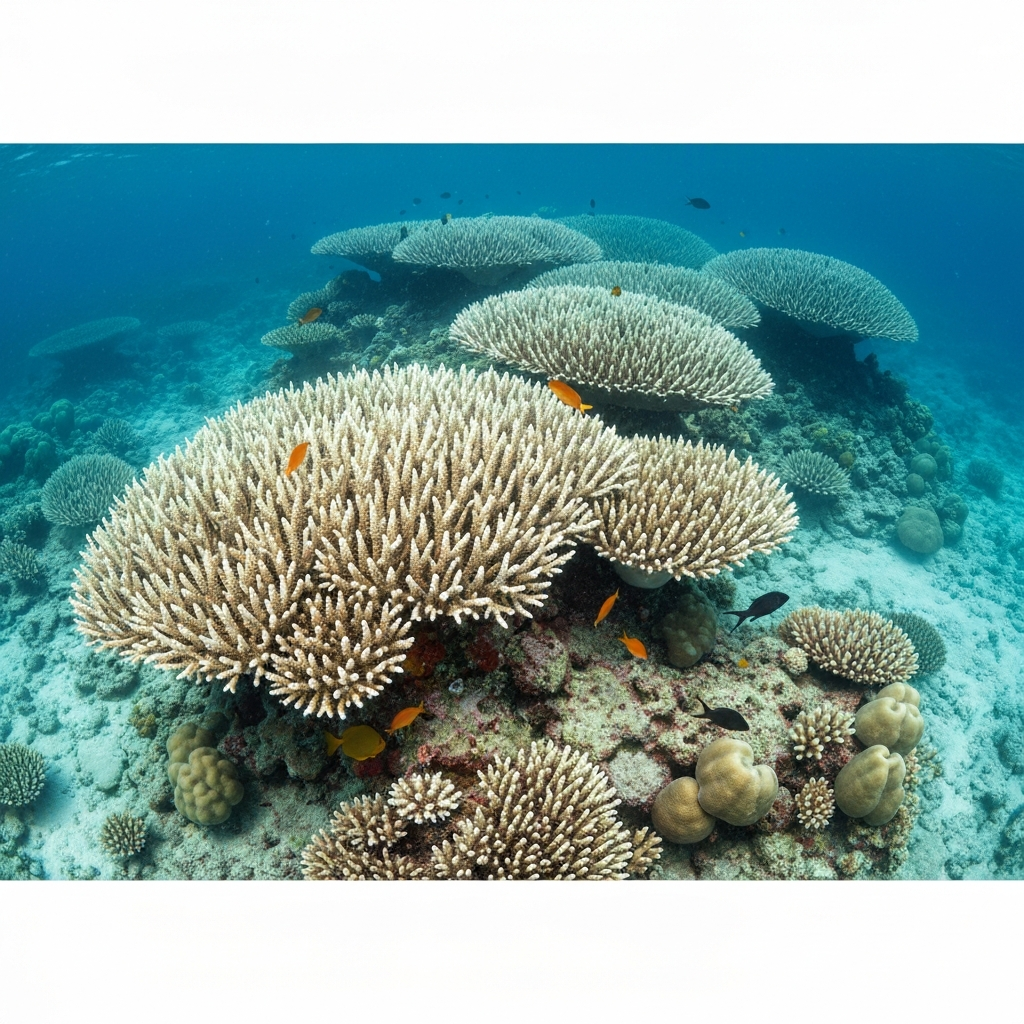
The ongoing global coral bleaching event, identified by the International Coral Reef Initiative in April 2025, has affected approximately 84% of the world’s coral reef ecosystems. This environmental crisis has profound implications for communities like Coral Springs, Florida.
Understanding Coral Bleaching
Coral bleaching occurs when corals, stressed by elevated sea temperatures, expel the symbiotic algae that provide them with energy and color. This phenomenon can lead to widespread coral mortality, disrupting marine ecosystems and the services they provide.
Local Environmental Impact
While Coral Springs is inland, the health of nearby marine environments, such as the Florida Keys, directly affects the region. The 2023–2025 bleaching event has led to significant coral die-offs in Florida, with some reefs experiencing complete mortality due to water temperatures reaching up to 101°F. Such losses diminish biodiversity and the resilience of marine habitats.
Economic Consequences
Florida’s coral reefs contribute between $678.8 million and $1.3 billion annually to the state’s economy, supporting industries like tourism and fishing. The degradation of these reefs can lead to economic downturns in sectors reliant on healthy marine ecosystems.
Community Response and Resilience
In response to these challenges, Coral Springs has been proactive in promoting environmental awareness and sustainability. The city has hosted events like the Coral Springs Festival of the Arts, which, despite a hiatus for a feasibility study in fiscal year 2026, has historically celebrated the region’s natural beauty and cultural heritage. Such initiatives foster community engagement and highlight the importance of environmental stewardship.
Looking Ahead
As global climate patterns continue to evolve, it is crucial for communities like Coral Springs to stay informed about environmental changes and participate in conservation efforts. Supporting policies and practices that mitigate climate change and protect marine ecosystems will be essential in preserving the natural resources that benefit both the environment and the economy.