

By James Gonzalez
Climate Patterns & Seasonal Shifts
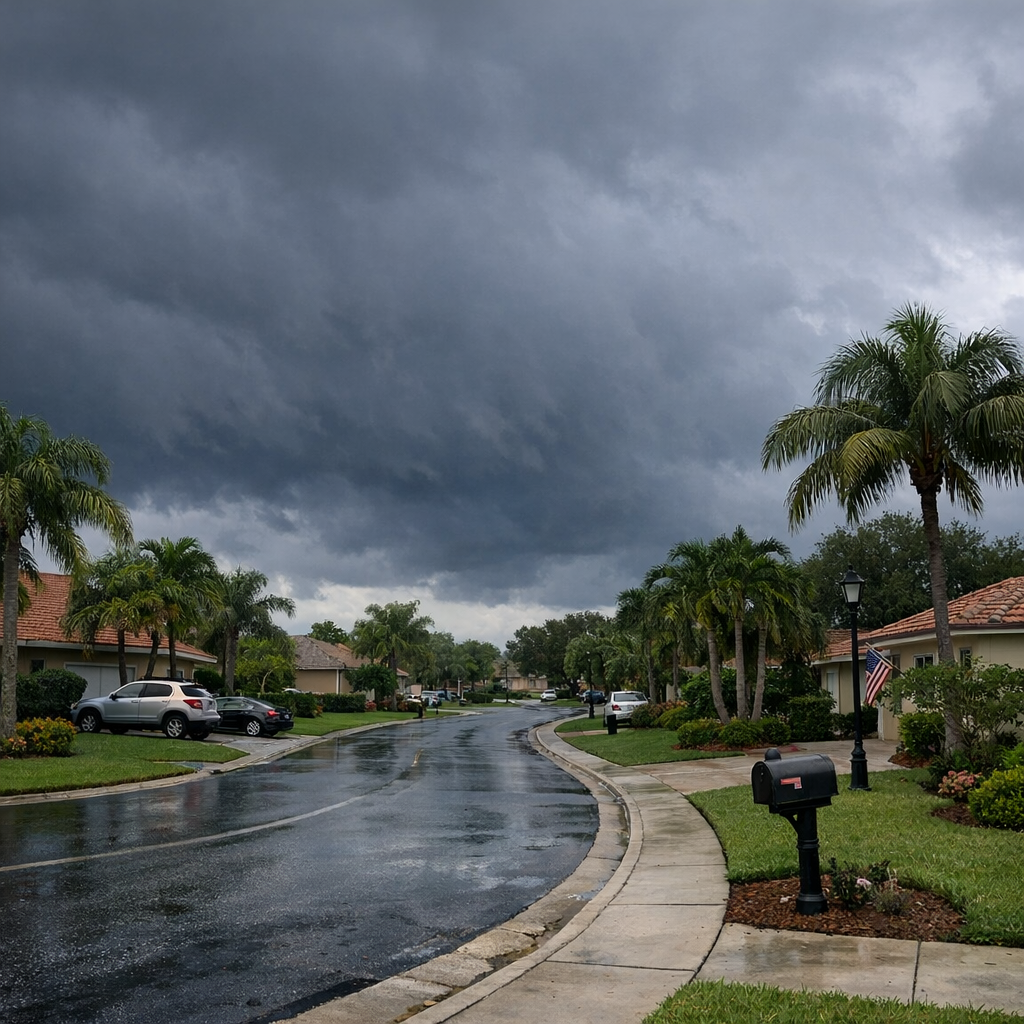
Coral Springs lives in Florida’s humid subtropical zone, which brings clear seasonal rhythms but seldom extremes. Summers (roughly June through September) are hot, humid, and storm-prone — the daytime heat, frequent thunderstorms, and occasional tropical disturbances define this period. Winters (December through February) are milder: lower humidity, more comfortable temperatures, and events like cold fronts that occasionally dip temperatures into the 50s but rarely colder.
Rainfall is heavily seasonal. Most of our moisture falls in the summer months, often in intense bursts. The rest of the year—fall, winter, and spring—is relatively drier. That pattern plays into water levels in lakes and aquifers, landscaping needs, and flood risks.
Hurricane Season: What to Know
Hurricane season in Coral Springs officially runs from June 1 to November 30, with peak risk usually in September and early October. Even though we are inland, severe storms bring heavy rain, flooding, strong winds, and occasional tornadoes. Storm surge is less of a direct threat here, but runoff and rising groundwater during heavy coastal storms can still lead to localized flooding.
The City provides clear guidance to residents to prepare ahead of storms. Key tips include signing up for emergency alerts (text “AlertCS” to 888-777), keeping water and medicines on hand for at least several days, securing outdoor items, and trimming trees. After a storm, proper disposal of debris and checking that contractors are licensed help protect safety and community assets. Coral Springs is not in an official evacuation zone but must still plan for impacts. City-operated shelters and pet-friendly options are part of the readiness plan.
Environment & Water: Local Concerns
Our water comes from the Biscayne Aquifer, a vital resource that is sensitive to droughts, overuse, pollution, and saltwater intrusion. Dry season droughts can lower aquifer levels, while heavy summer rains help recharge groundwater—but runoff containing fertilizers and waste threatens water quality. Keeping pollution out of stormwater drains is a simple but powerful action everyone can take.
Even though we’re not on the coastline, environmental changes offshore affect us too. Events like coral bleaching, ocean acidification, and marine disease can reduce the health of coral reefs off Florida’s coast. These reefs act as natural barriers that influence marine ecology, fisheries, and contribute to coastal protection further seaward. Protecting water quality and limiting heat stress on marine systems helps maintain their resilience.
Building Local Resilience
Based on current trends, strength lies in preparation. Coral Springs has adopted a Stormwater Master Plan to address stronger storms, heavy rainfall, and rising groundwater. The City is also performing Flood Vulnerability Assessments to guide adaptation to future risks.
At home, residents can help too: maintain trees so they withstand high winds, ensure gutters and drainage systems are clear, limit impervious surfaces like driveways when replacing hardscape, and support landscaping with native vegetation that tolerates both wet and dry periods. Community engagement with sustainable water use, proper disposal of waste, and staying informed during extreme weather—all make a difference.